
Commercial Carpet Shedding or Backing Breakdown? What Buyers Should Document
An evidence checklist for office and hotel carpet buyers, facilities teams and project managers.
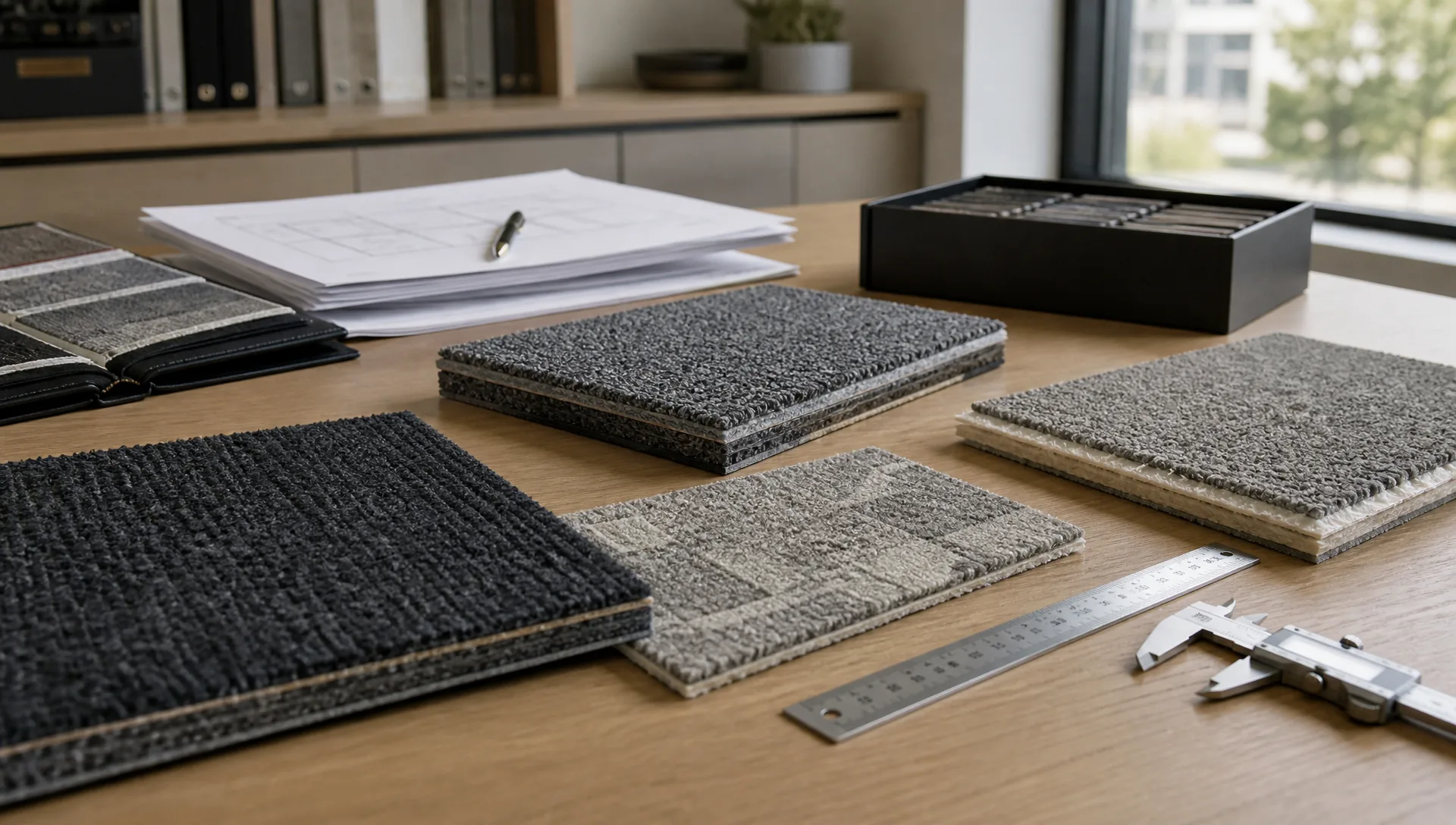
Pain Point Addressed
Investigate commercial carpet shedding and possible backing separation. Learn what to document before diagnosing residue or planning a project replacement.
Quick answer
Loose fibers, powder and backing separation are different observations. They do not establish the same cause. If a commercial carpet appears to shed excessively or leaves unexplained residue, document the product, installation and maintenance history before deciding whether the problem is normal initial shedding, contamination, damage or a material issue.
For hotel and office buyers, the immediate question is not “Which internet diagnosis sounds most convincing?” It is “What evidence does the supplier or qualified inspector need to assess this installation?” A repeatable record helps avoid unnecessary replacement and unsupported assurances alike.
Why a photograph of carpet dust is not a diagnosis
A public Reddit discussion about repeatedly collecting powder from a carpet attracted conflicting explanations. Commenters suggested loose fibers, underlay or backing material, and cleaning residues. The photograph and account alone could not establish which explanation was correct.
That uncertainty matters on a commercial project. A carpet's construction, age, installation conditions and treatment history affect what a reviewer needs to investigate. Do not assume that every pale residue is carpet backing, that every loose fiber indicates delamination, or that more cleaning will resolve an unknown problem.
The Carpet and Rug Institute's troubleshooting guidance describes shedding associated with loose fibers from spun-fiber carpet manufacturing. That explanation is useful for the relevant construction, but it does not classify every powder, damaged backing or unfamiliar residue as normal shedding.
Separate the observations before naming a defect
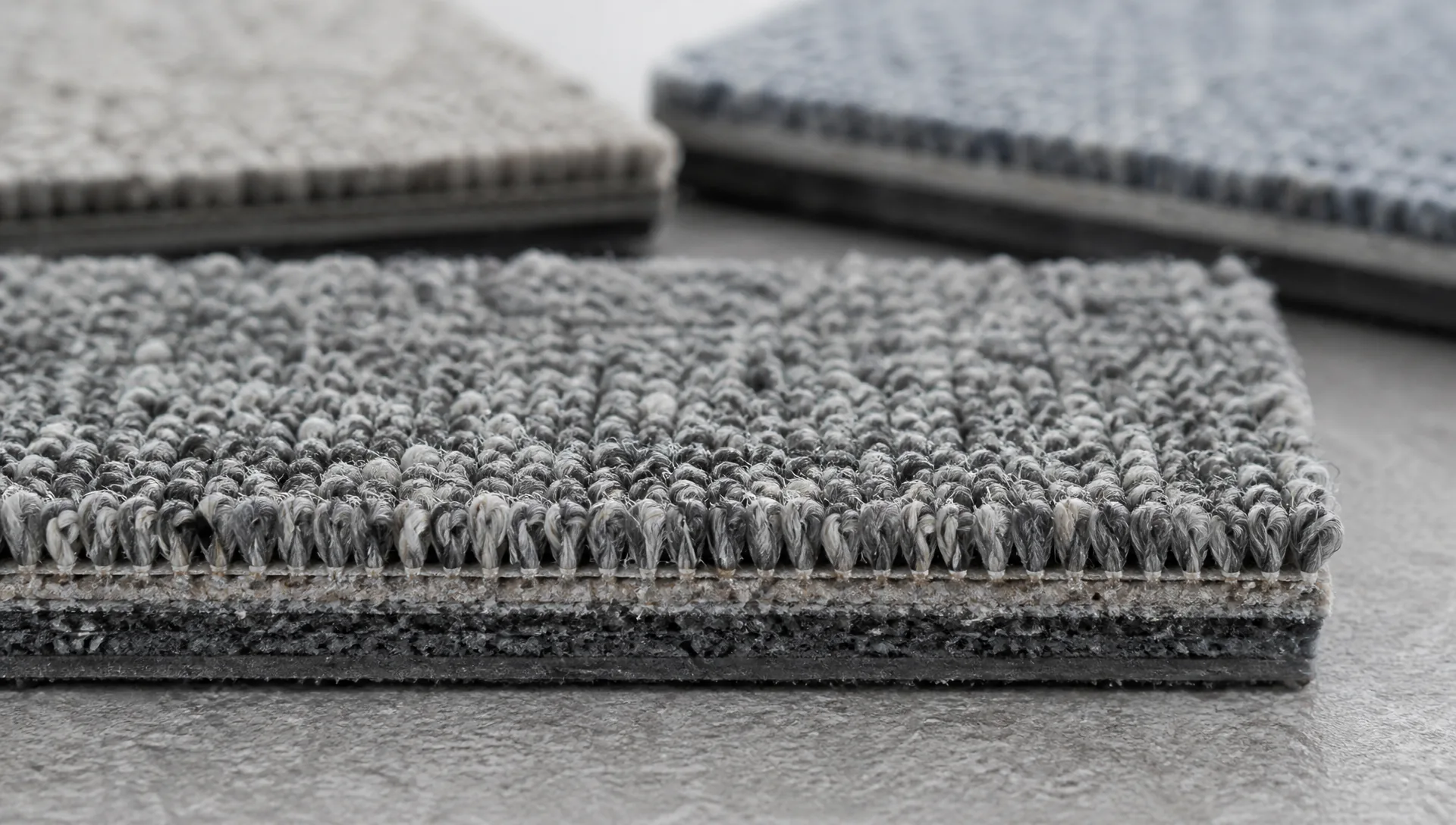
| What you can observe | What to record | What not to conclude from appearance alone |
|---|---|---|
| Loose fibers on the surface or in collected debris | Product construction, installation date, affected area and maintenance history | That all carpet types should shed equally |
| Fine or granular residue | Location, when it first appeared, photographs and cleaning products used | That the material is definitely backing, underlay or harmless dust |
| Visible separation between carpet layers | Photographs, location, extent and product identification | The cause, liability or repair method without a review |
| Changes around seams, tile edges or damaged areas | Distribution, traffic conditions and any relevant incident history | That appearance alone proves a manufacturing defect |
“Delamination” describes separation of layers. It is not simply another name for loose surface fibers. If separation is suspected, describe what is visible and ask for a product-specific assessment rather than assigning the label to unexplained dust.
New installation or an established floor?
For a newly installed carpet, gather the approved sample, product reference, batch information and delivery records. Note when the area was handed over and whether cleaning or other trades worked there before occupancy. Compare observations from more than one area without assuming a single sample represents the whole project.
For an established installation, include the age, known incidents, repair history and maintenance changes. An inherited floor may have an incomplete history. State those gaps honestly instead of treating assumptions as facts.
For modular flooring, identify which tiles or zones are affected and whether the issue is widespread or localized. Keep your observations separate from the decision about replacement scope.
Build an evidence pack before escalating the issue
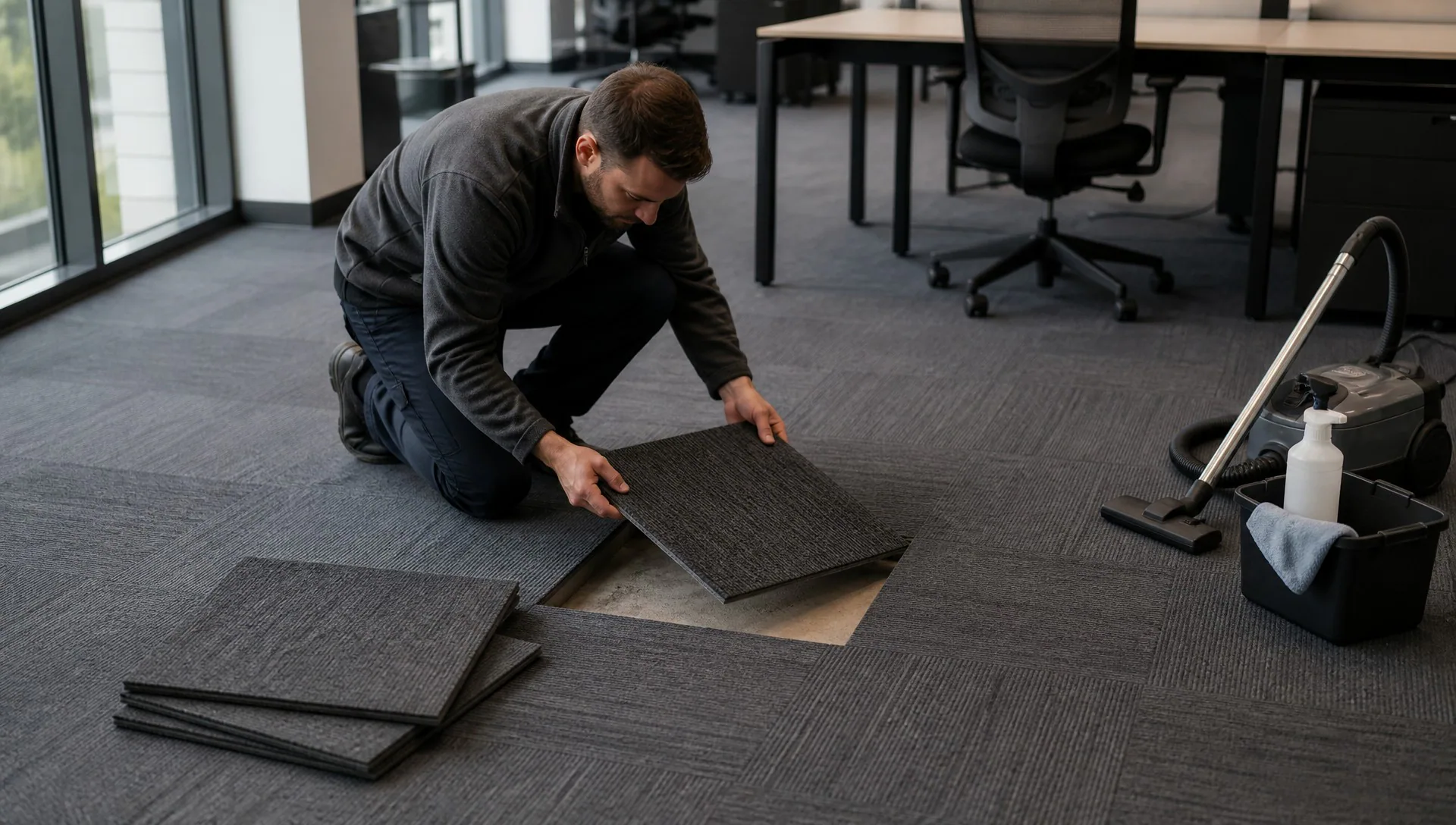
A useful supplier or inspector report includes:
1. Product identity: supplier, product name, available batch code, construction and backing information. 2. Project details: installation area, approximate quantity, installation and handover dates. 3. Issue timeline: first observation, whether it is changing, and any coinciding event. 4. Photographs: overall area, close-up and consistent views of affected and unaffected locations. 5. Maintenance records: equipment, settings where known, cleaning products, dilution and methods used. 6. Incident history: recorded leaks, spills, repairs or other relevant changes, without guessing their effect. 7. Actions already taken: cleaning attempts or alterations and what happened afterward. 8. Requested outcome: inspection, technical advice, maintenance review or replacement assessment.
Follow the supplier's instructions for retaining samples or arranging an inspection. If health or hazardous-material concerns arise, use an appropriate qualified assessment; an online image cannot identify the material or determine exposure risk.
Avoid confusing the investigation with repeated treatment
Adding several cleaning agents or changing methods repeatedly can make the history harder to interpret. Follow the applicable maintenance instructions and obtain advice before applying an unfamiliar treatment to the affected area.
Likewise, do not promise that vacuuming will solve all shedding or residue complaints. The appropriate response depends on the carpet and the actual issue. Record any change in equipment or procedure so the reviewer can understand what has already been tried.
For project closeout, provide maintenance instructions to the team that will use them. Our commercial carpet project closeout checklist can help organize the handover record.
What should buyers ask before the next order?
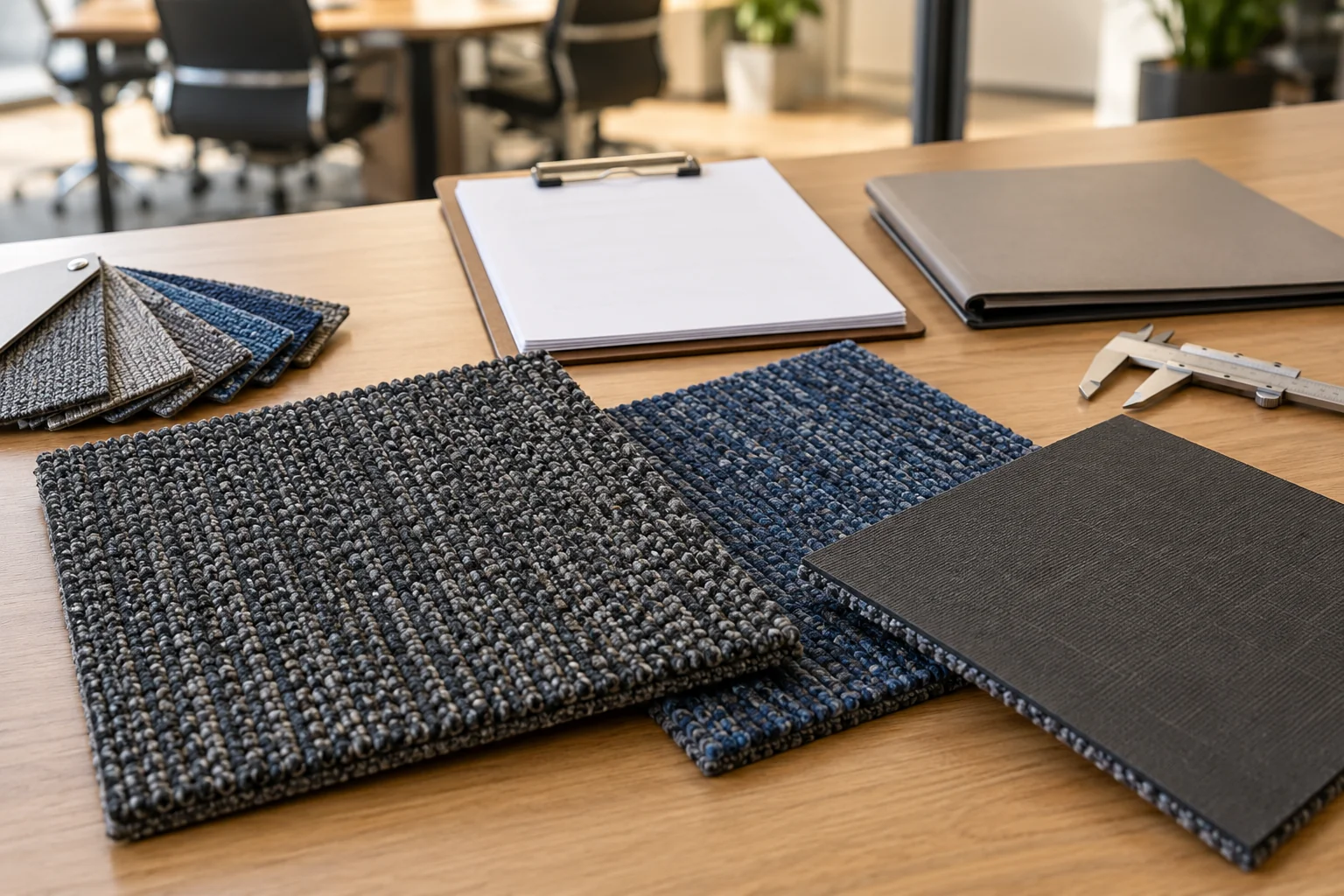
Use the issue to improve the next specification, not to make a blanket judgment about a material.
Ask for the proposed carpet's fiber construction, backing description, intended application and maintenance guidance. Confirm how samples relate to the ordered configuration. Request the applicable warranty terms and issue-reporting process; do not assume a general marketing phrase defines coverage.
If the observation may become a formal product or commercial issue, use the warranty-claim documentation checklist to align the exact order, product identity, affected zone, photographs, installation and maintenance records before requesting a decision.
Review commercial carpet tile backing options alongside the project's installation and operational requirements. A backing comparison does not replace product-specific installation advice.
For your next project, compare carpet tiles and wall-to-wall carpet with the actual room use, maintenance arrangements and replacement strategy in mind. Share the project area, intended use, destination and schedule when requesting a suitable sample or quotation.
Frequently asked questions
Is carpet shedding the same as delamination?
No. Shedding concerns loose fibers; delamination concerns separation between layers. A residue photograph alone may not establish either condition or its cause.
Does powder after vacuuming prove the backing is breaking down?
No. Identify the product and gather its maintenance and installation history. A qualified review may be needed to determine the residue's source.
Should every affected carpet tile be replaced immediately?
Replacement scope depends on the assessment and the installation. First record the affected locations and follow the applicable technical advice. Do not assume a localized observation proves the whole floor has the same issue.
Sources and further reading
Public discussions identify questions, while technical guidance must be applied only to the relevant product construction. These sources do not establish the cause of a photographed condition or any VCARPETS warranty. Further reading: the Reddit discussion “Unlimited powder in carpet” and CRI Carpet Maintenance and Troubleshooting (linked below).
Buyer Questions
Frequently Asked Questions
Is carpet shedding the same as delamination?
No. Shedding concerns loose fibers; delamination concerns separation between layers. A residue photograph alone may not establish either condition or its cause.
Does powder after vacuuming prove the backing is breaking down?
No. Identify the product and gather its maintenance and installation history. A qualified review may be needed to determine the residue's source.
Should every affected carpet tile be replaced immediately?
Replacement scope depends on the assessment and the installation. First record the affected locations and follow the applicable technical advice. Do not assume a localized observation proves the whole floor has the same issue.
Turn This Guide Into a Quote
Send Your Project Requirements After Reading This Guide
If this topic matches your project, send the carpet application, estimated area, destination, and required date. VCARPETS can recommend the related product path and reply with sample, MOQ, lead time, and quotation details.
Email: sales@vcarpets.com
Continue Your Specification
Related Products

Browse the Full Range