
Office Carpet Tiles vs Hard Flooring: A Practical Maintenance Guide
How modular office flooring choices affect noise, rolling-chair wear, stain repair, and long-term maintenance cost.
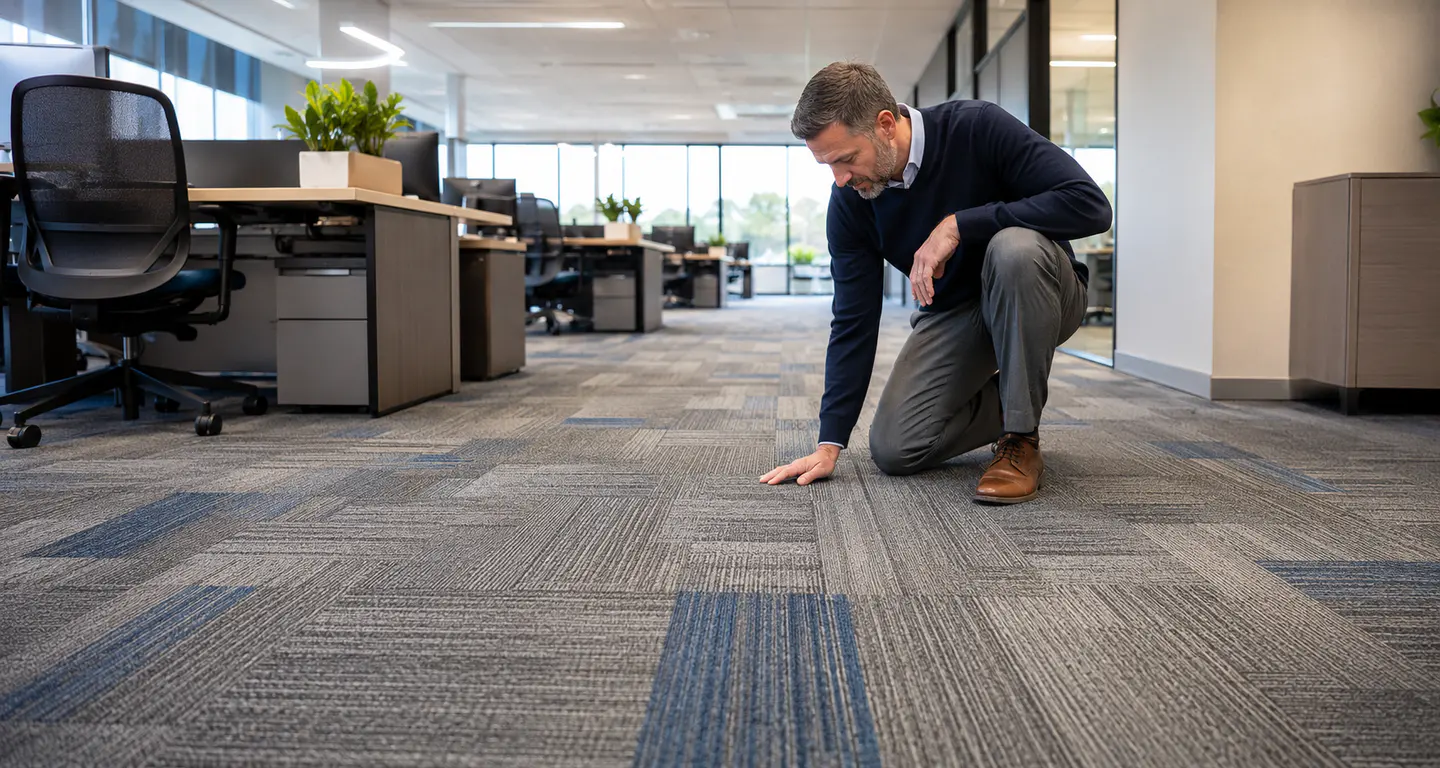
Pain Point Addressed
Many office flooring decisions focus on day-one appearance, but real operating cost comes from chair traffic, acoustic comfort, localized damage, cleaning, and replacement downtime.
Why Office Flooring Decisions Often Change After Move-In
When companies compare office flooring options, the discussion often starts with appearance and initial price. After the space is occupied, the real cost usually comes from maintenance, noise, rolling-chair traffic, stains, and the speed of repair.
This is why many offices, coworking spaces, schools, rental offices, and commercial buildings still choose office carpet tiles instead of using hard flooring everywhere. Real user discussions often repeat the same concerns: rolling chairs wear down soft floors, hard floors can make rooms louder, and full-room replacement is frustrating when only one zone is damaged.
The practical question is not whether one flooring type is always better. It is where office carpet tiles make the operating plan easier, quieter, and more controllable.
Why Office Floors Fail Unevenly
Most office floors do not fail evenly. Wear usually appears first under workstations, meeting-room chairs, reception traffic lanes, copier areas, and entrance paths. On hard flooring, this can become scratches, echo, and a colder feeling underfoot. On broadloom carpet, one stained or crushed zone can force a larger replacement.
Office carpet tiles solve this problem by making the floor modular. If a section near a desk is damaged by chair wheels or coffee spills, individual tiles can be lifted and replaced without removing the whole floor. For facility managers, that means less downtime and a more practical maintenance plan.
- Traffic lanes. Modular replacement lets teams repair the areas that age first instead of replacing the entire room.
- Stain zones. Coffee points, print areas, and reception desks can be maintained with spare tiles from the same batch.
- Tenant changes. When a layout changes, office carpet tiles are easier to adapt around workstations, partitions, and access floors.
Rolling Chairs: The Detail Buyers Forget
A common office flooring complaint is that rolling chairs damage soft residential carpet or make movement difficult. In commercial spaces, this is not only a comfort issue. Chair traffic creates repeated pressure in the same small zone every workday.
For work areas, low-pile and dense office carpet tiles are usually more suitable than thick residential carpet. They support chair movement better, reduce matting, and make localized replacement easier. For heavy-use workstations, the specification should also confirm backing, adhesive, chair-caster conditions, and spare stock from the same production batch.
Noise Control Matters More Than It Seems
Hard flooring can look clean and modern, but it often increases footstep noise, chair movement noise, and echo in open spaces. Many office buyers notice this only after renovation, when meeting rooms feel louder and work areas become harder to concentrate in.
Carpet helps absorb sound at the floor level. In open offices, corridors, and meeting spaces, office carpet tiles can reduce the sharp sound of footsteps and moving chairs. For multi-floor buildings, flooring choice also affects the experience of the room below.
| Flooring concern | Hard flooring risk | Office carpet tile advantage |
|---|---|---|
| Open-office sound | More reflected footstep and chair noise | Softer acoustic feel under desks and circulation paths |
| Localized damage | Scratches or dents may require larger repair work | Individual tiles can be replaced when spare stock is available |
| Rolling chairs | Can create hard impact sound and visible surface wear | Dense low-pile tiles support easier chair movement |
| Tenant turnover | Repairs may be visually inconsistent | Modular format supports phased refresh work |
Maintenance and Replacement Planning
The best office flooring decision is not simply which material looks best on day one. It is which material still looks acceptable after two or three years of daily traffic.
A practical maintenance plan for office carpet tiles should include spare stock, cleaning routines, and rules for high-risk zones. Without that plan, the modular advantage is weakened.
- Keep 3-5% spare tiles from the same batch.
- Use darker or patterned tiles in heavy traffic paths.
- Choose solution-dyed fibers where stain resistance matters.
- Plan chair zones and copier zones before installation.
- Clean traffic lanes before soil becomes permanent.
- Replace damaged tiles before the whole area looks worn.
When Carpet Tiles Are the Better Choice
Office carpet tiles are usually a strong fit for open-plan office areas, meeting rooms, reception zones, corridors, training rooms, commercial rental offices, and upstairs workspaces where sound control matters.
Hard flooring may still be better in wet areas, kitchens, bathrooms, or spaces with frequent liquid exposure. Many commercial projects use both materials, placing hard flooring where water resistance matters and carpet tiles where comfort, acoustics, and repairability matter.
For a large project, the strongest specification often combines product selection, installation method, spare-tile planning, and a clear maintenance schedule.
Procurement Comparison Before You Ask for Price
Before comparing office carpet tiles with hard flooring by square metre, procurement teams should define how the floor will be used. The same office can need hard flooring near wet service zones and carpet tiles in work areas where acoustic control, chair comfort, and repair speed matter more.
| Buyer decision | Office carpet tile check | Hard flooring check |
|---|---|---|
| Noise control | Ask for dense low-pile construction and acoustic underlay options where needed | Check whether the room will need extra acoustic panels or rugs |
| Chair traffic | Confirm traffic class, backing stability, chair-caster suitability and spare tiles | Confirm scratch resistance, chair mats and long-term surface repair method |
| Replacement plan | Keep same-batch spare tiles and define high-risk zones | Confirm whether damaged boards, planks or sheets can be replaced locally |
| Quotation basis | Confirm sales unit, MOQ tiers, packing and written price validity | Confirm substrate preparation, transition strips and installation accessories |
Office Flooring RFQ Risk Checklist
- Unmatched specifications. Do not compare a nylon carpet tile quotation with a lower-grade PP or residential carpet specification.
- No spare stock plan. A modular floor loses much of its value if the buyer does not keep replacement tiles from the same production batch.
- Unclear backing. Backing affects dimensional stability, installation method, comfort and future replacement.
- Missing maintenance owner. Cleaning frequency, stain response and traffic-lane care should be assigned before the office opens.
- Website price treated as final price. Published price ranges are references. Final price, unit, availability and validity require a written quotation.
Office Carpet Tile Buyer FAQ
| Question | Short answer |
|---|---|
| Are office carpet tiles better than hard flooring for open offices? | Often yes when acoustic comfort, chair traffic and local replacement are important. |
| Should every office area use carpet tiles? | No. Wet service areas, kitchens and high liquid-spill zones usually need another floor finish. |
| What should be confirmed before ordering? | Traffic class, backing, tile size, color, sample, MOQ, spare stock, packing and quotation validity. |
| How many spare tiles should be kept? | A practical starting point is 3-5%, adjusted by layout, traffic risk and future tenant changes. |
Final Recommendation
For commercial buyers, office carpet tiles are not only a design choice. They are a maintenance strategy. They reduce full-floor replacement risk, improve acoustic comfort, and make future repairs easier to control.
VCARPETS supplies commercial carpet tile options for workspaces, corridors, meeting rooms, and business interiors. Buyers can compare nylon, PP, PVC-free PE backing, and project-specific options depending on traffic, budget, and sustainability requirements.
Turn This Guide Into a Quote
Send Your Project Requirements After Reading This Guide
If this topic matches your project, send the carpet application, estimated area, destination, and required date. VCARPETS can recommend the related product path and reply with sample, MOQ, lead time, and quotation details.
Continue Your Specification
Related Products

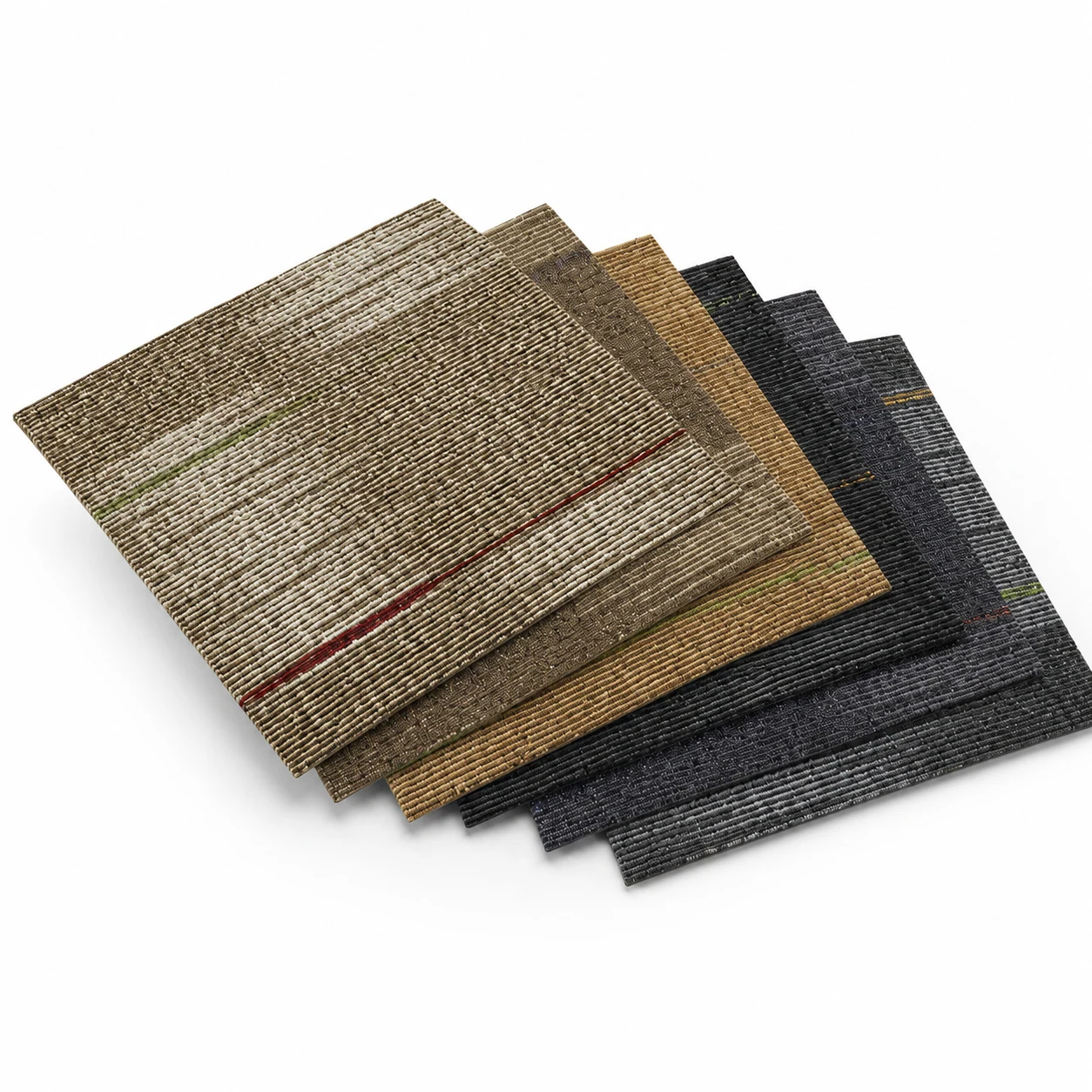
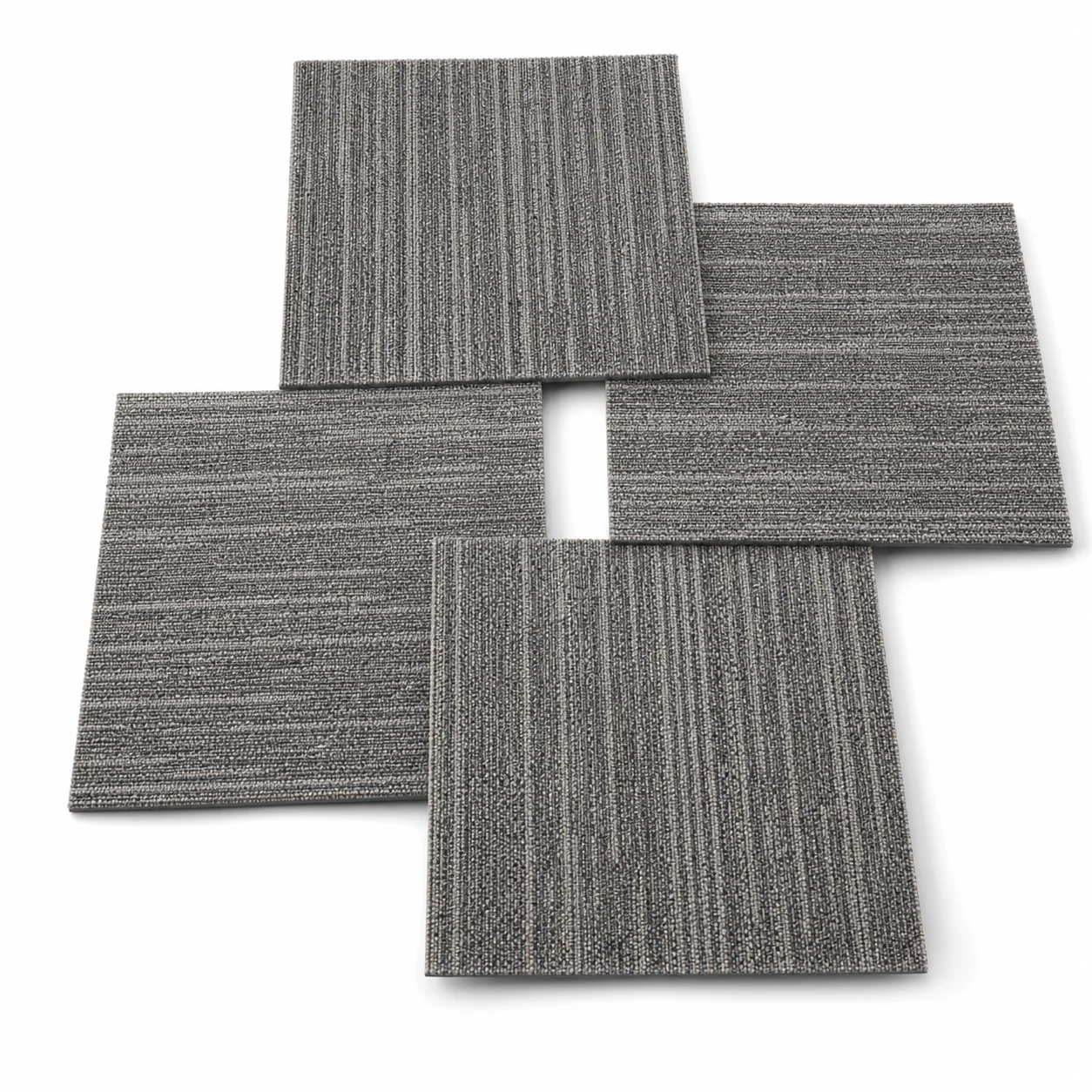
Browse the Full Range